Lesson one of three
One Skill a Month, Written on the Top Line
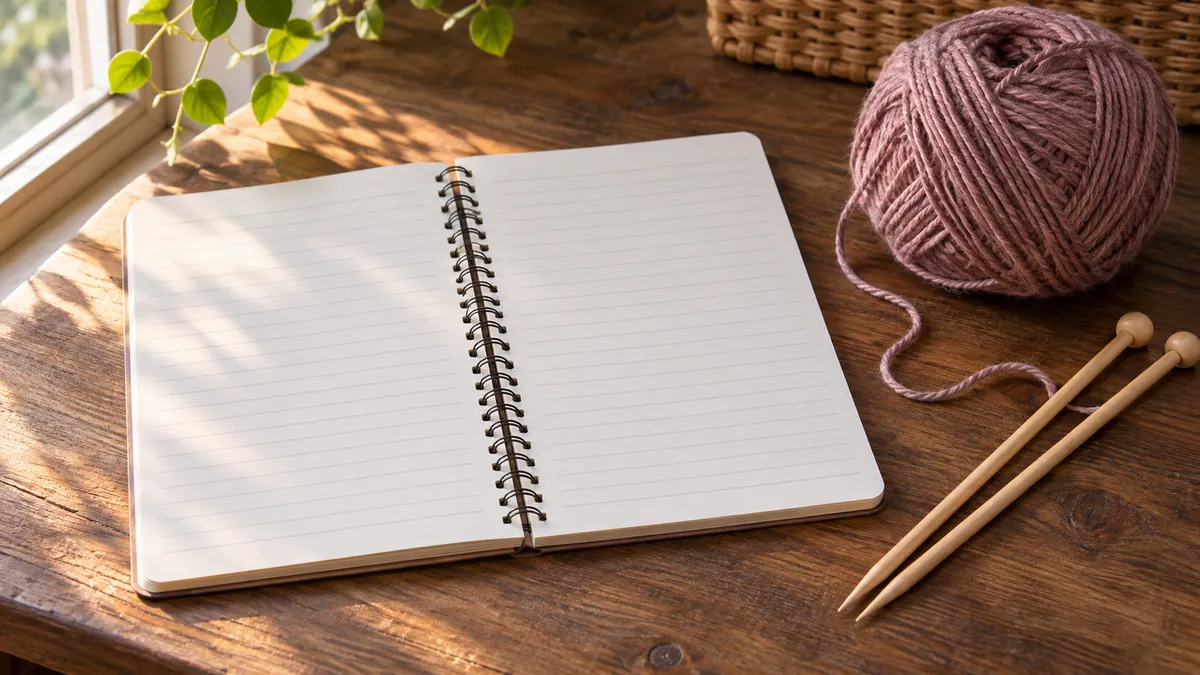
Most of us stopped writing lesson plans the day we stopped being students. Somebody else decided what came next, which chapter, which test, which skill was due by Friday. Then life took over the syllabus and the plan became whatever the week demanded. This page asks you to bring the plan back, but for a class with one person in it.
The rule is plain enough to fit on a sticky note. One skill per month. Not a hobby, not a project, not a reinvention. A skill small enough that fifteen honest minutes a day will show you something by the thirtieth: three new knots, a dozen phrases in Italian, a short piece on a borrowed guitar, the names of the birds that visit the feeder, how to sharpen a kitchen knife on a stone, a card trick for the grandchildren.
Why a month, and why only one
A month is long enough for the first clumsy week to pass and short enough that the end is always in sight. People who try to learn five things at once usually learn none of them, and the ones who promise themselves a whole year of something tend to lose the thread by February. Thirty days is a container the mind can hold.
One skill matters because attention is the real budget. When the day already has appointments, errands and a phone that will not stop asking for a look, a single new thing has a chance to stay in the front of the mind. Two new things compete. Research on learning across adulthood has looked at what keeps new material from sliding away, and spacing practice over many days, rather than cramming, comes up again and again as one of the more reliable habits. A month of short daily sessions is spacing by design.
The top line of the page
Open the notebook on the first of the month and write the skill on the top line, in plain words, as if you were labeling a jar. Underneath, three short fields, the same ones a teacher would fill in before a class: what you want to be able to do by the end, what you need to have at hand, and how you will practice. Keep each one to a single sentence. If it does not fit in a sentence, the skill is too big for one month; cut it in half and save the other half for later.
Then leave the rest of the page empty. That space is for the days. Each time you practice, write the date and one line about what happened: what went right, what was awkward, what you want to try tomorrow. These lines are short on purpose. Writing them takes less than a minute, and reading them back a week later is surprisingly useful, because it shows the slow change that is invisible from inside a single afternoon.
Small enough to finish, interesting enough to return to
The best skill for this exercise is one you are a little curious about and a little nervous about. Curiosity gets you to the table on the fifth day, when the novelty has worn off. The nervousness keeps the work honest, because a skill that is too easy will not ask much of your concentration. Think of something with steps that have to be remembered in order, or names that have to be matched to things, or a movement of the hands that has to be coordinated with the eyes.
Many readers find that the skill matters less than the routine around it. The same chair, the same hour, the pencil already on the notebook, the phone in another room. After a week or so the routine starts to do part of the work: you sit down, and the mind already knows what the next fifteen minutes are for.
The end of the month
On the last day, read the whole page from the top. Then write a short report card under the last entry. Not a grade, just three sentences: what you can do now that you could not do on the first, what was harder than expected, and whether this skill deserves a second month or a polite goodbye. Then turn the page and write a new top line.
Twelve pages later, the notebook holds a year of small lessons, each one dated and described in your own handwriting. That record is its own reward. On a slow afternoon you can open it and watch yourself learning, one line at a time.
Before you try this, a word for your doctor
Starting a new daily practice is usually low-key, but if a skill involves physical effort, sharp tools, long periods of sitting or anything your hands or joints have objected to before, mention it at your next appointment. And if your family or you yourself have spotted shifts in concentration or recall that feel unsettling, bring that to your physician; a notebook is the wrong place for it.